This case study examines a Welsh tapestry posited as an archetype of native needle weaving that predates the introduction of Orientalist tapisserie methodologies and stitch structures to the United Kingdom.
The textile was acquired from a vendor-collector in March 2024, who noted that the work required either completion or structural repurposing.
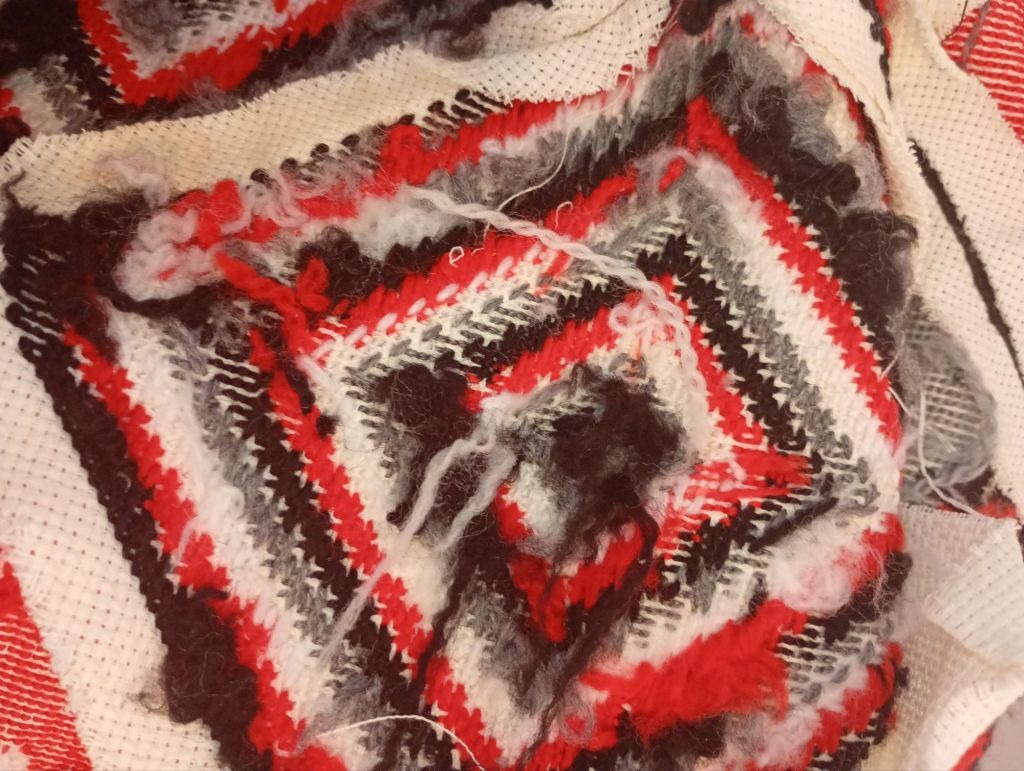
Upon physical receipt, the tapestry was found to be in pristine condition, yet demanding extensive needlework to achieve completion.
Over recent years, various constituent needle-weaving stitches have been identified; however, establishing the antecedent nomenclature of the artifact relative to the advent of Orientalism in Britain remains unresolved.
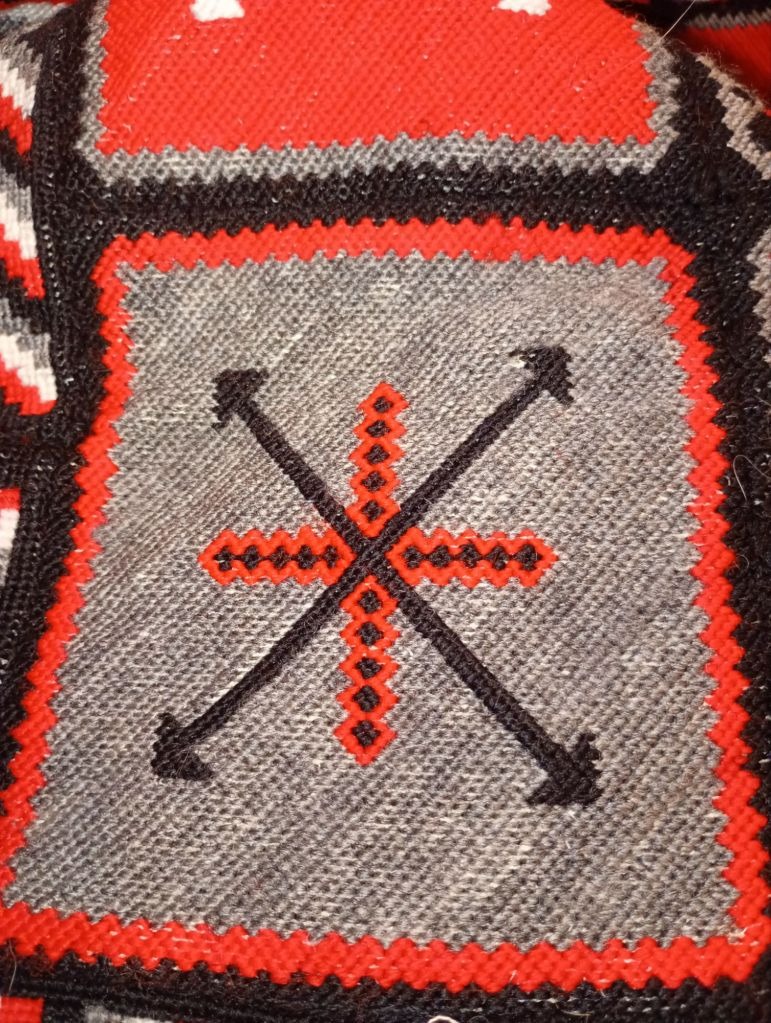
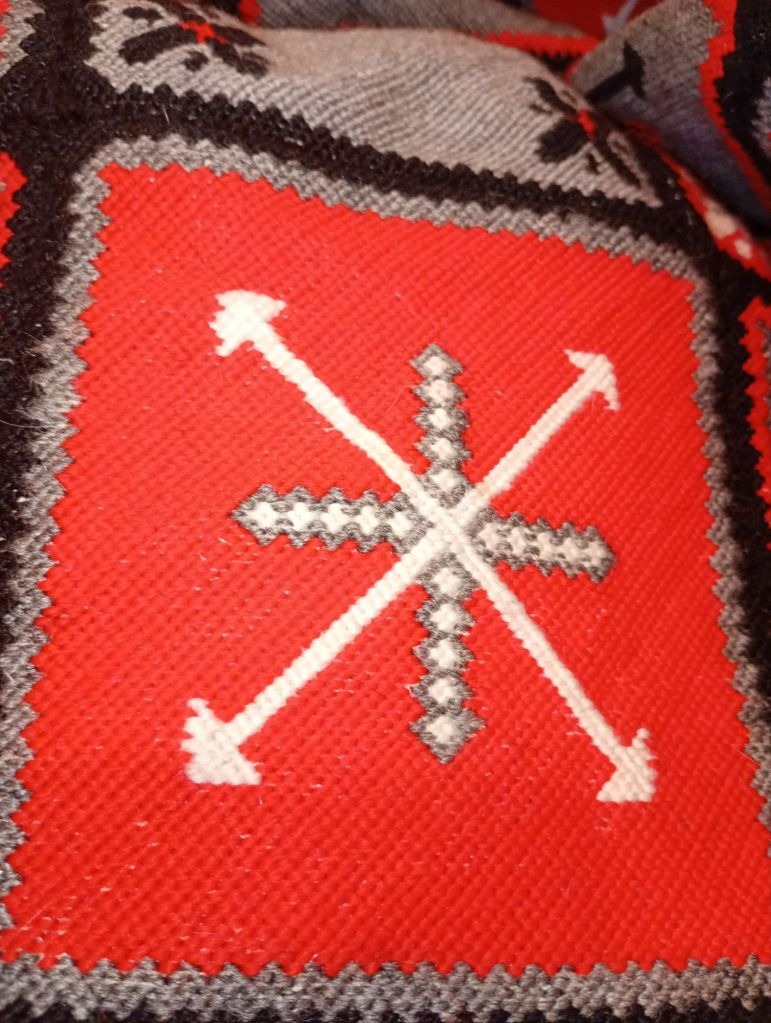
The work is rich in iconographic symbolism and stitch configurations indicative of major historical significance within textile historiography. Should its authenticity and nomenclature be confirmed, its structural weight would parallel that of Georgian shirring developments.
This significance is attributed not to the object’s isolated provenance nor to regional attributions of canvas needle weaving, but rather to the juxtaposition of palette and motif across the Aida ground—specifically the technical interplay between these needle-worked structures and traditional Welsh double-cloth blanket patterns produced on standard tapestry looms.
ariane crafts 2024 all rights reserved
ariane crafts 2024 all rights reserved
ariane crafts 2024 all rights reserved
ariane crafts 2024 all rights reserved
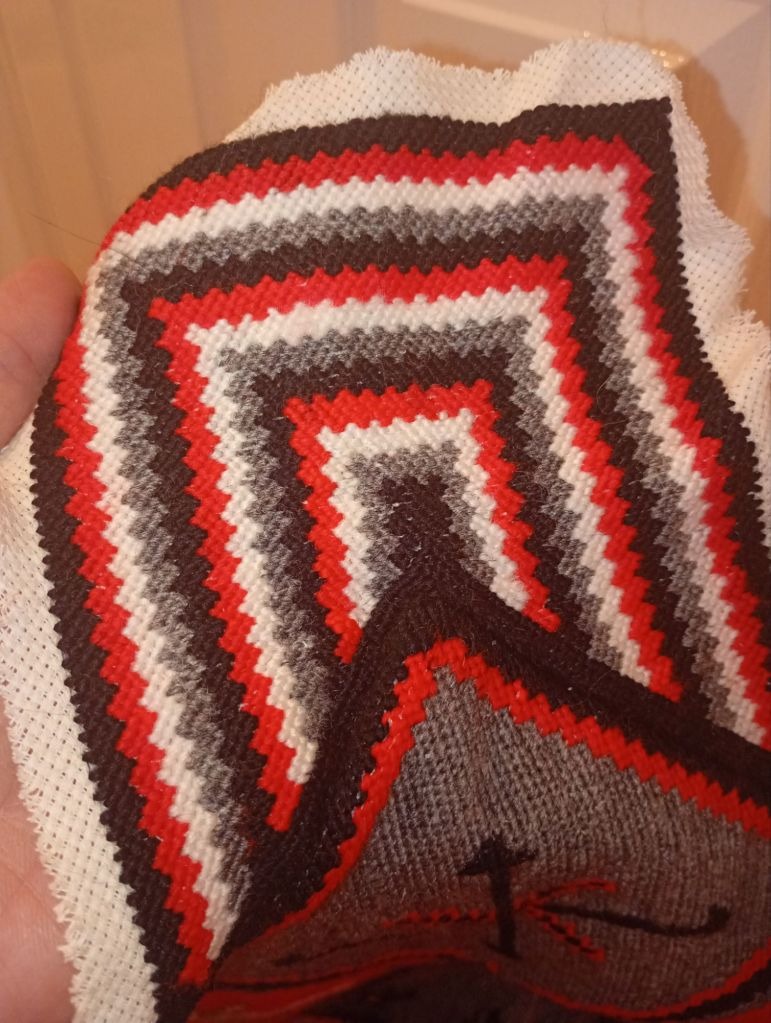
ariane crafts 2024 all rights reserved
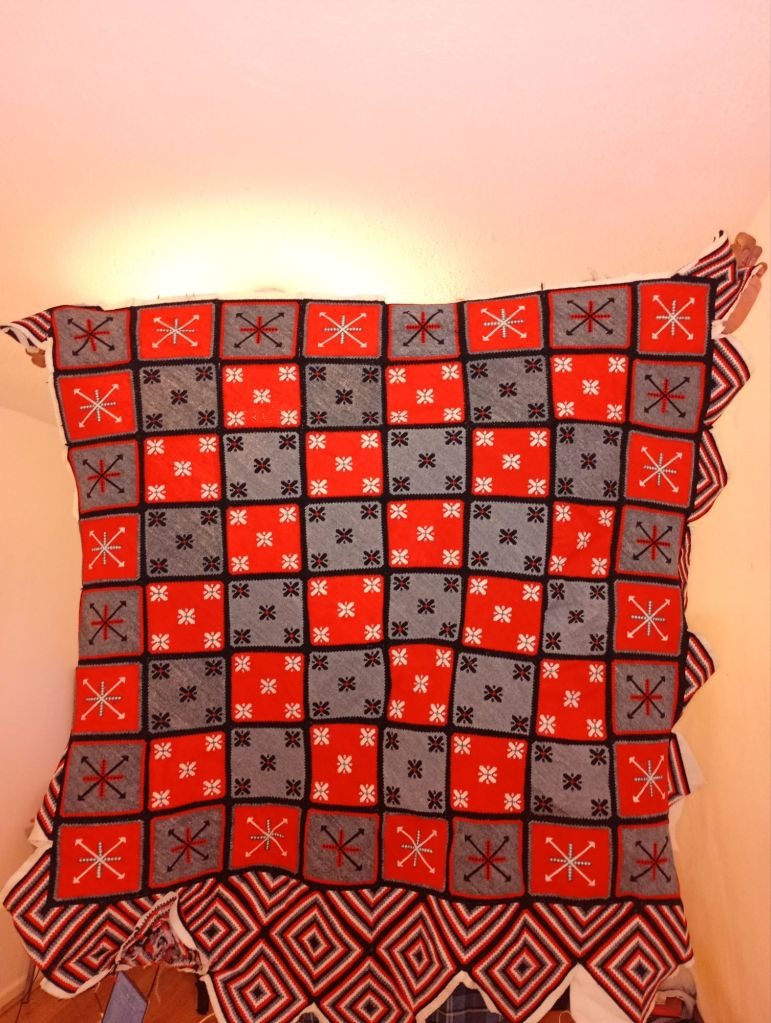
ariane crafts 2024 all rights reserved
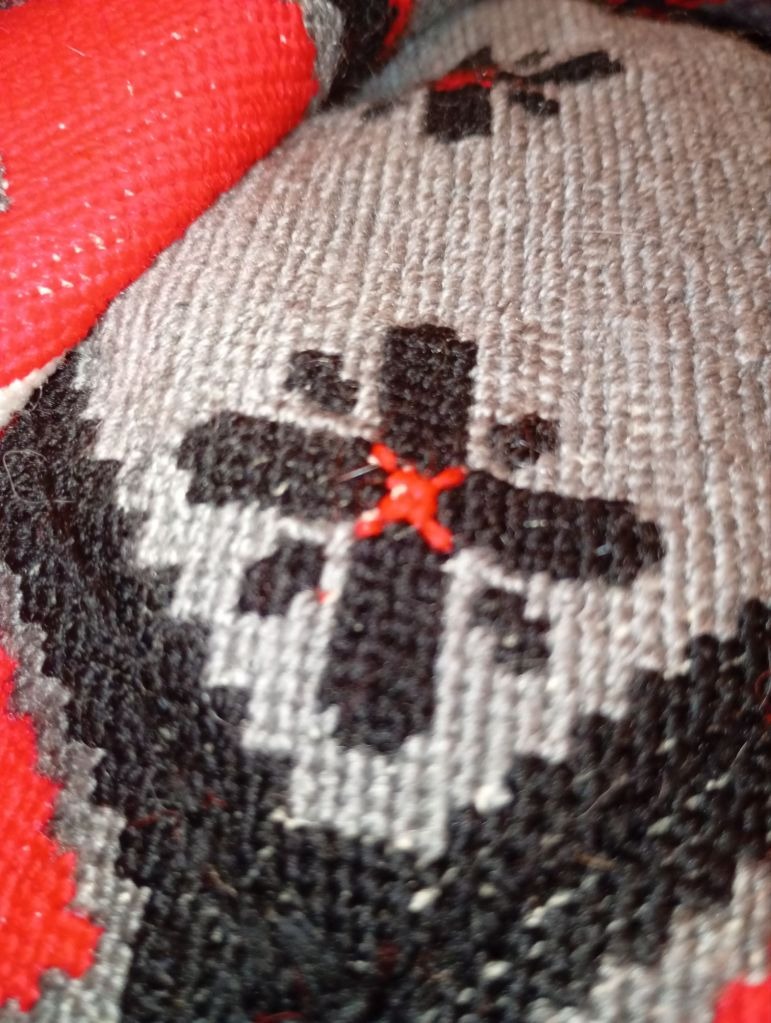
The scope of work requires completing the remaining three borders utilizing two plies derived from four-ply tapestry yarn, matching the established stitch repertoire illustrated above. Identifiable methods include back stitch, running stitch, and tapestry border couching spanning the full square motifs and geometric borders; needle-weaving operations additionally mandate structural warping, slight thwarting, and yarn coiling between adjacent warp threads.
Projected duration for total project completion: three years.
Crucial consideration must be given to needle selection: blunt tapestry needles risk scarring the ground fabric, making darning needles the optimal alternative.
Canvas requirements will be fulfilled using existing stock rolls, whereas supplemental yarn supplies will be procured from Anchor to address current inventory deficits.
The physical condition, ground material, required stitch configurations, and detailed photographic records documenting the integration of canvas, surface embroidery, needle weaving, and warp-coiling techniques have been thoroughly evaluated.
It is a profound privilege to contribute to the record of the great british textile history.
Warm regards,
Ariane Crafts

