Dear followers and readers,
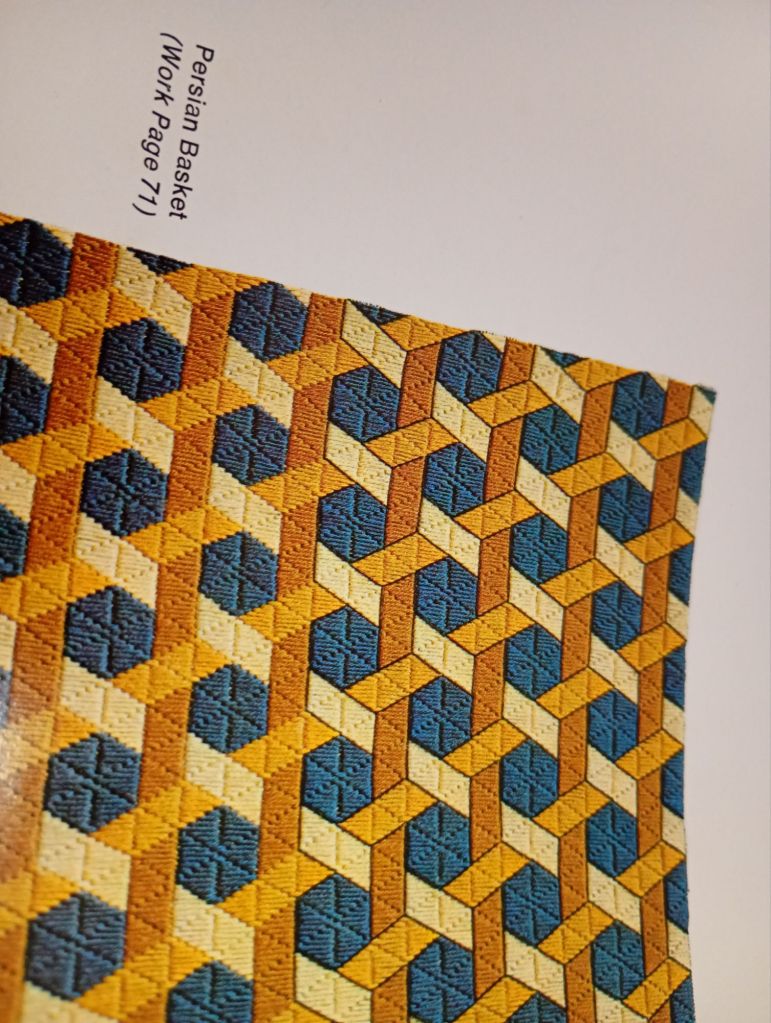
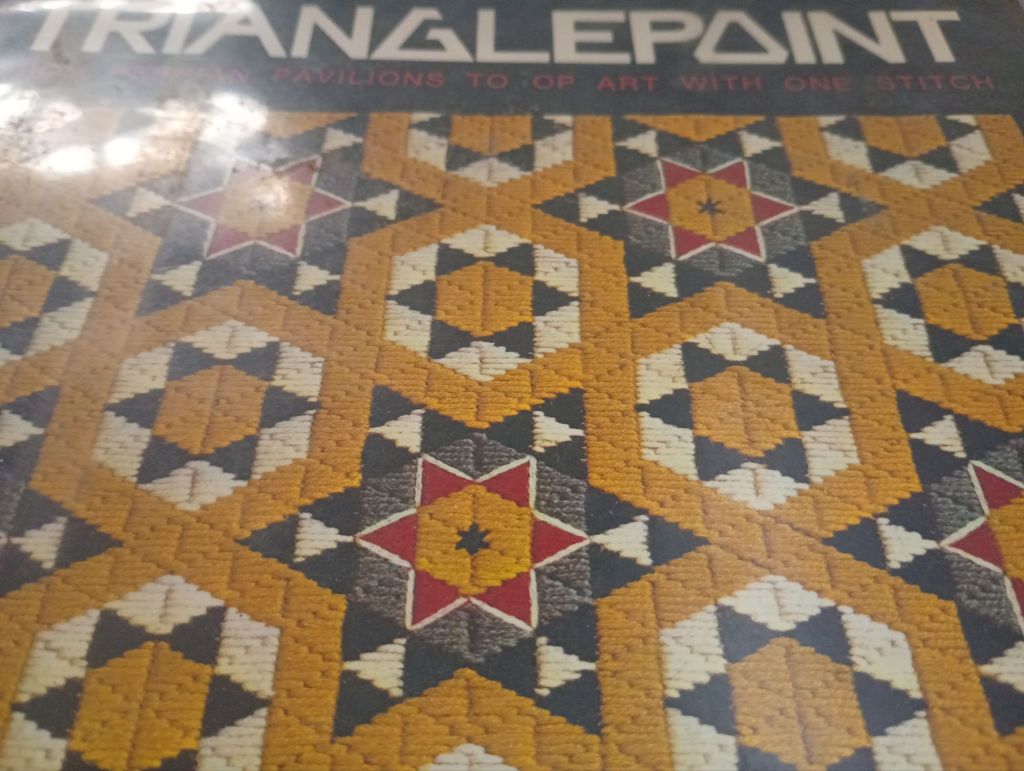
This season we are working with Persian and derived Mediterranean colour combinations .
My source of inspiration is the sale reduction ( Amazon and DMC sold ball yarns for £1.37), and one of my favourite designs in the British Museum.
TESCO has a partnership with one of DMC XL Natura national wholesalers facilitating the sale of sets of 10 balls for £44. But I have not checked the colour variations, nor the terms and conditions.
There are more brands making crochet cord, however DMC remains the dominant force in the British market.
I bought my yarn balls for £1.37 each in sets of 9 until the Amazon seller put the foot down and blocked me from buying more.
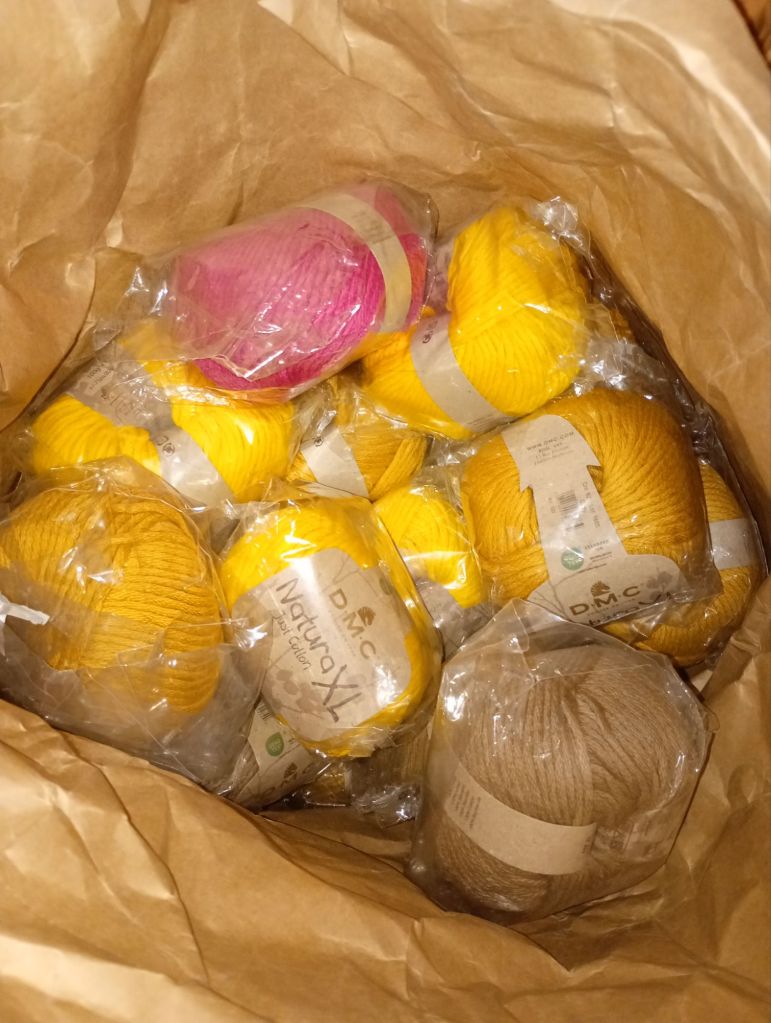
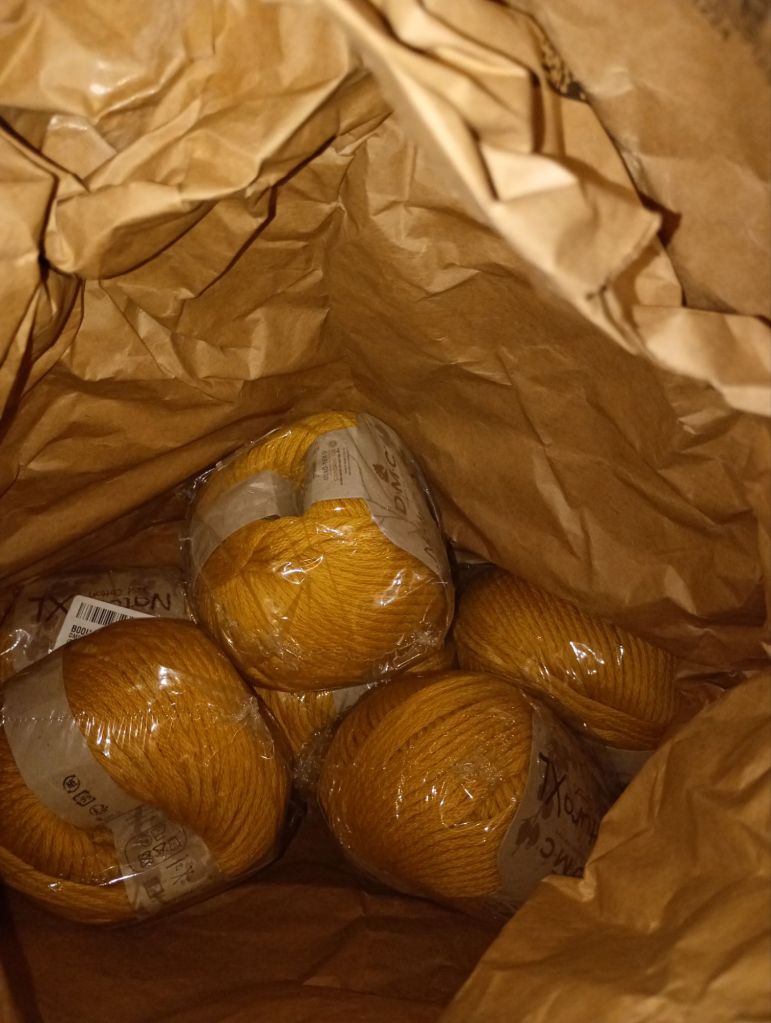
I don’t find the colours to magnify the eastern origin ( effect and Look) unless I add an eastern decoration colour tone such as golden brown or orange, because the usual Patkns knitting yarn dark brown does not blend in the eastern effect, just dies out.
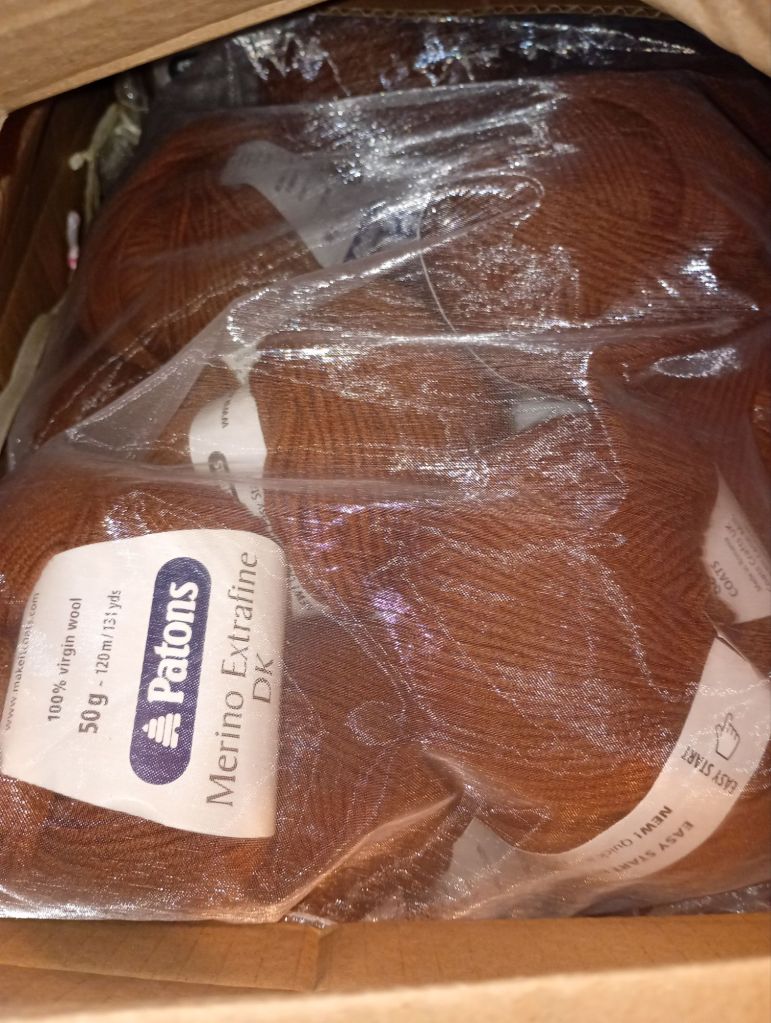
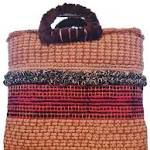
Achieving and mastering Colour pallets and shade variations to make a bag look eastern like my creation below
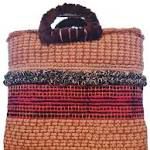
It is highly achievable by adding a different tone of golden brown , ideally one that glitters rather than morphes into the background like a Mediterranean pallet would have it.
I am also experimenting with adding Latin American colour additions to Eastern pallet combinations .
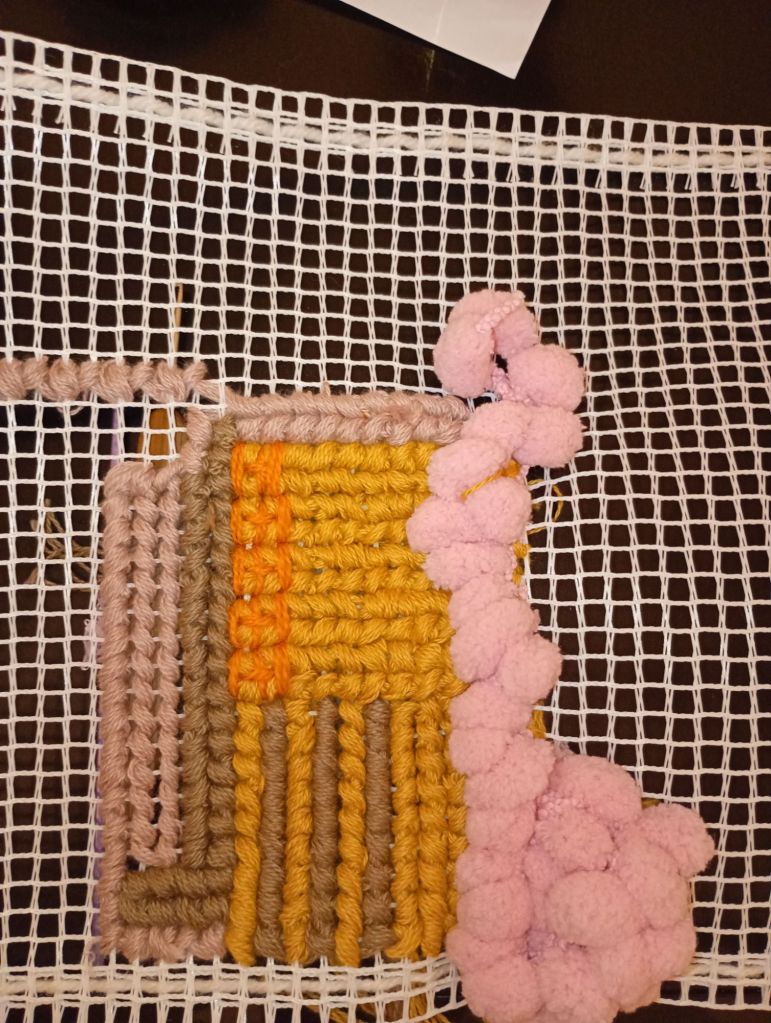
The bright pink was exhibiting a striking energetic bursting visual effect, until I added more dark brown to the background.
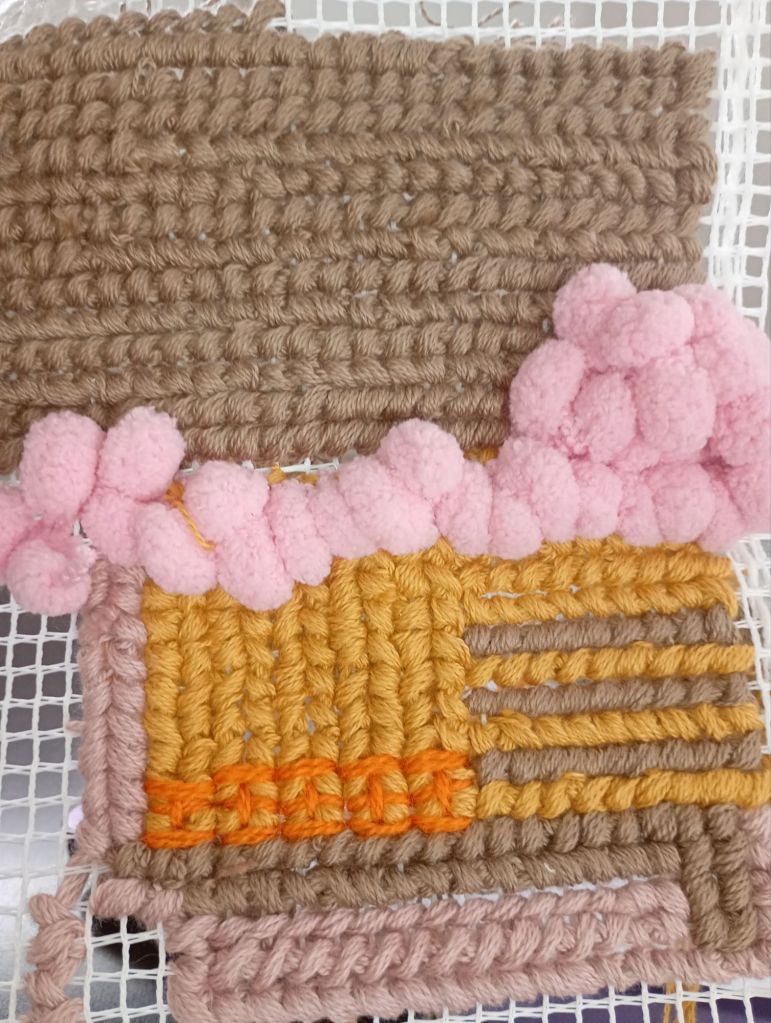
I plan to now return to a combination of dead green and brown with loose and tense stitch tension and then transform the uneven tension of the tapestry into a neat glittery uniform fabric by overcasting the whole tapestry with glitter lace yarn.
Or I could overcast instead with bright colours and convey a Mediterranean blend with a Latin American look. But this is not my choice nor brand.
Once finished this panel will join the stock of panels awaiting transformation into handbags for Christmas Fairs.
Going back to British heritage needlework. is the chorded crochet yarn purpose lost by using it on a smaller count then the usual traditional gross needlepoint handbags glamorised by Channel and traditional American needlepoint brands?
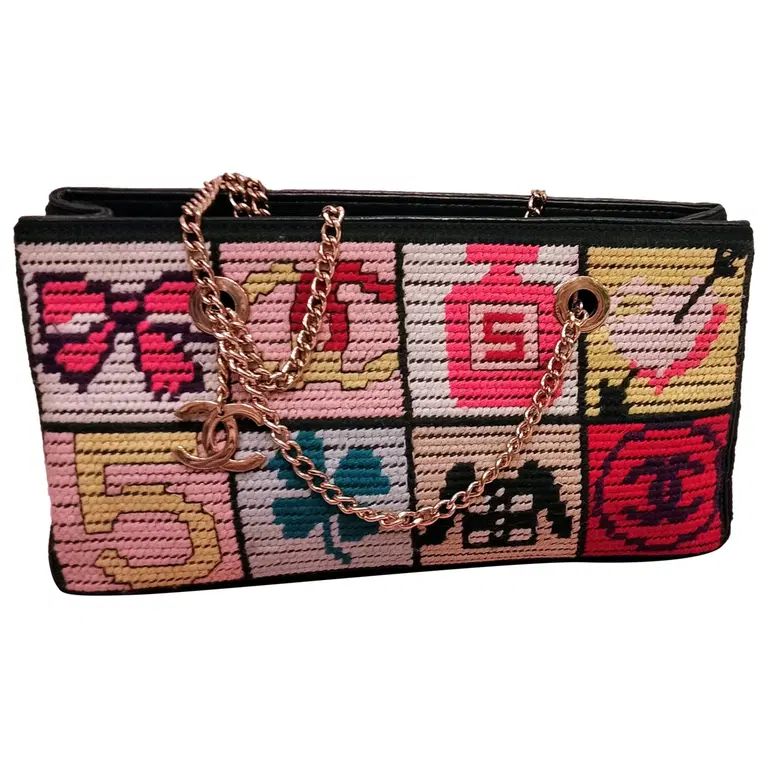
I suppose if you compare the current DMC Natura commercial patterns for handbags with the traditional handmade British handbags, yes it is lost. For example, check these photos from one of my heritage journals.
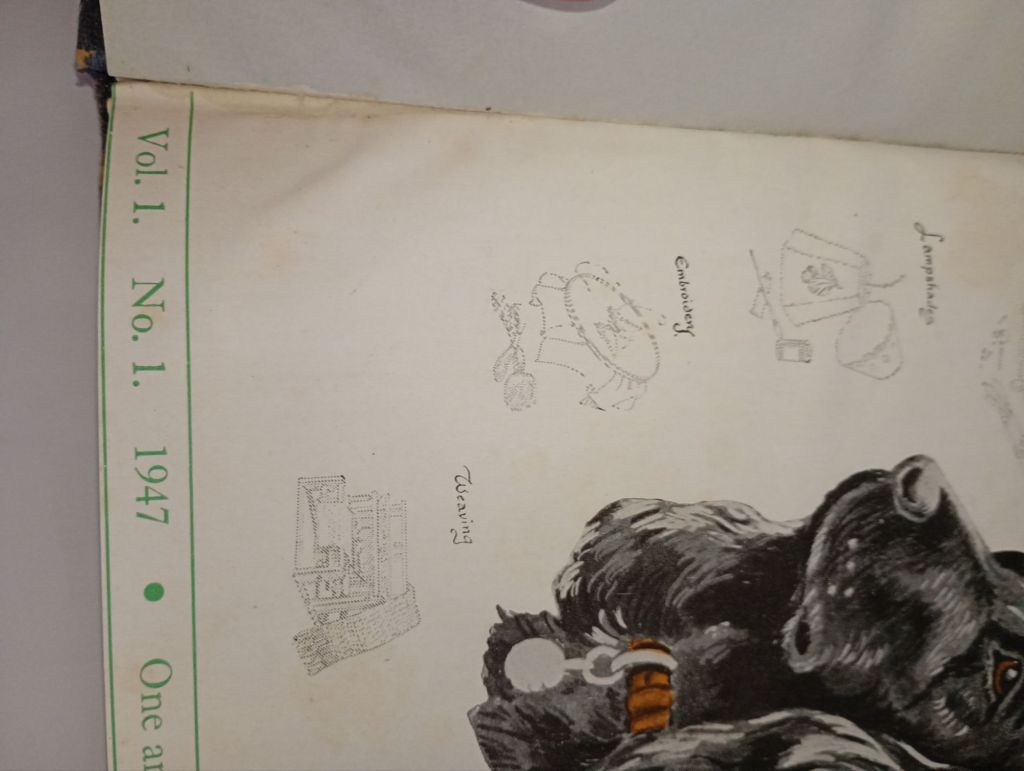
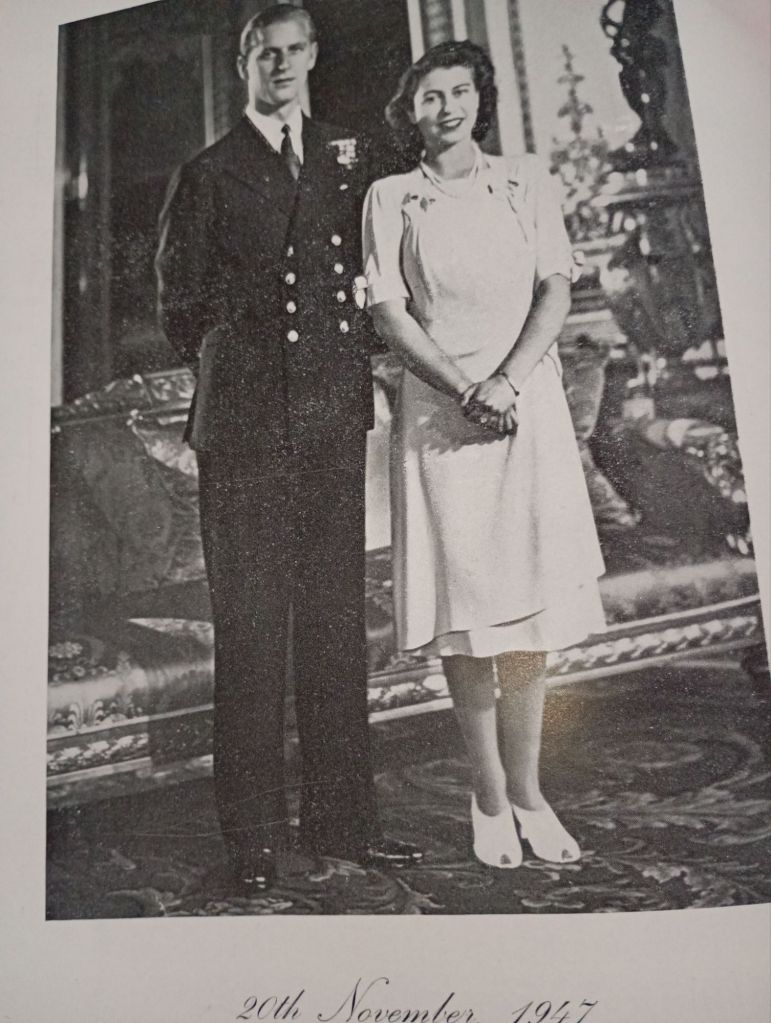
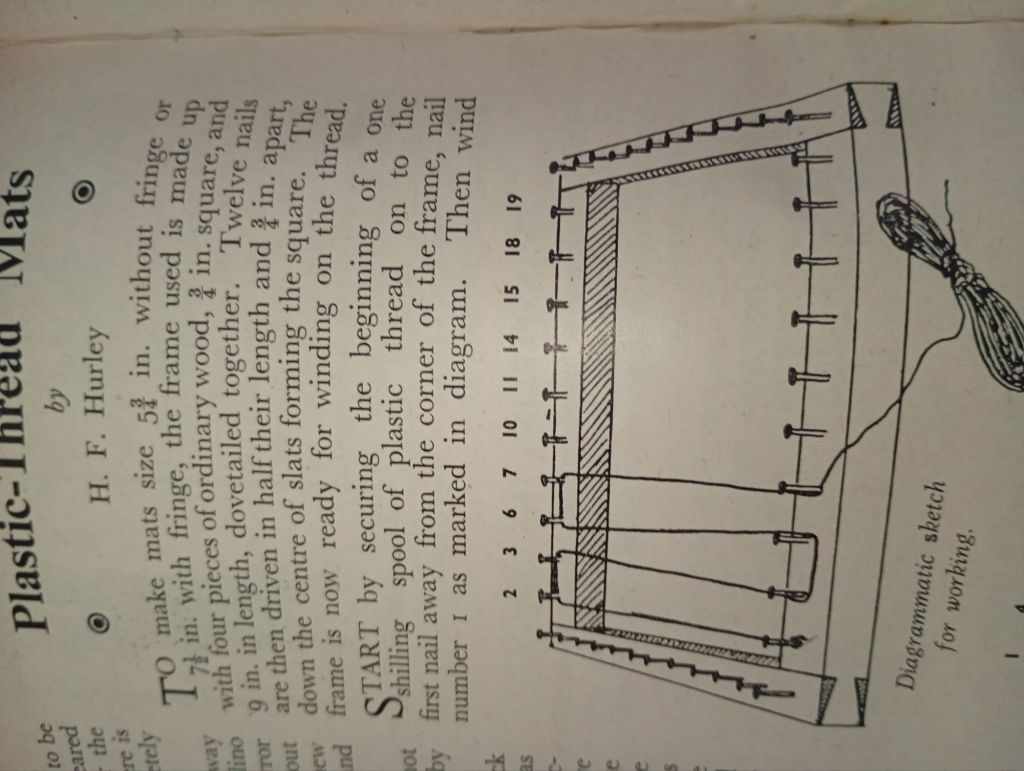
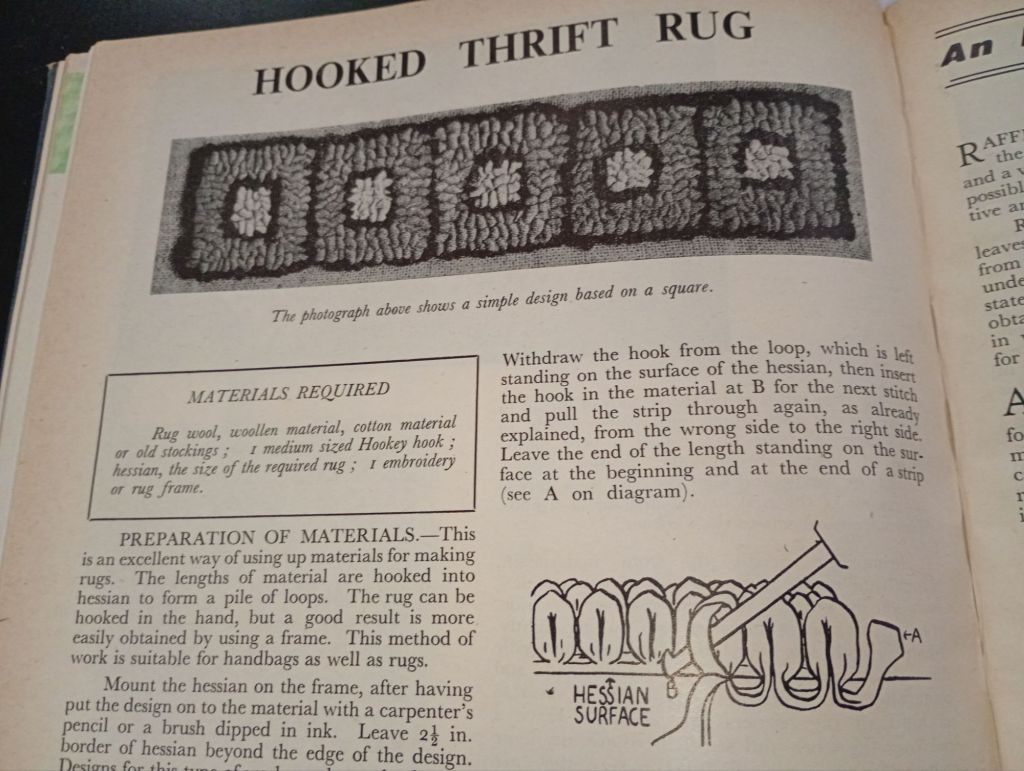
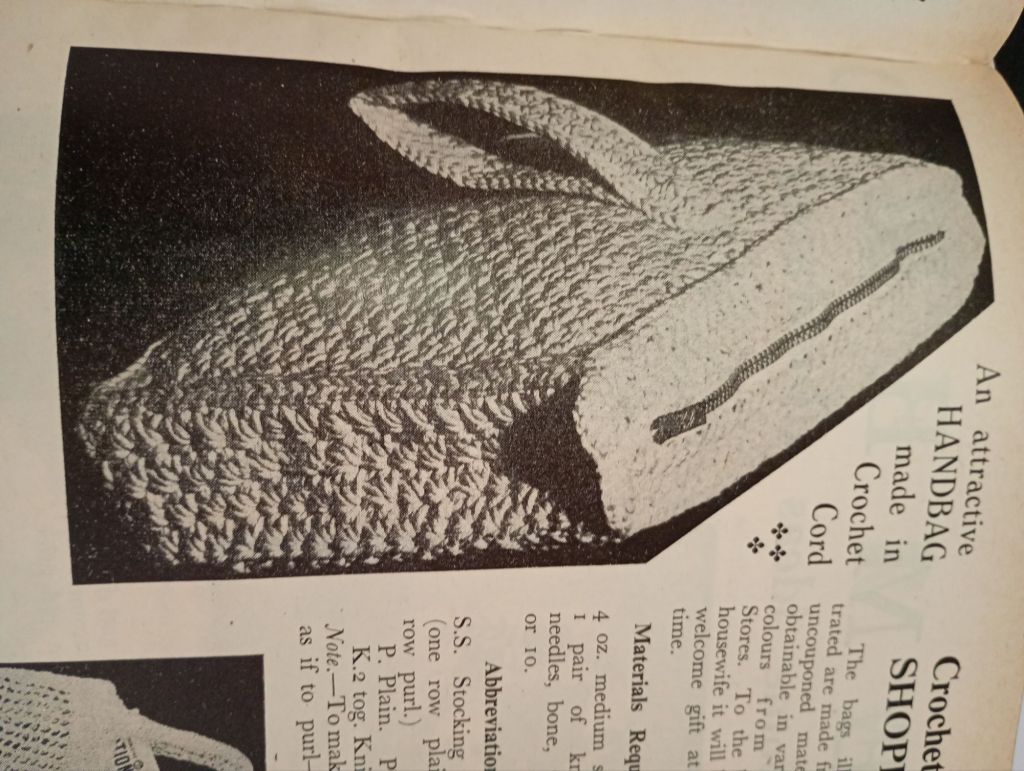
I feel it has lost both from a structural point of view, because the tapestry acquired a more delicate structure than the malleable traditional chorded crochet bag , and in terms of traditional medium, because the traditional canvas should be of a bigger count.
Going back to my initial point, forced colour pallet, Christmas Fairs and selling handbags.
This will be the first year that we stopped donating to Charities and partnering with social causes.
never received a postcard from them, making me believe that not every good cause is nothing but a personal pocket cause.
Also, experimenting while making traditional textiles costs extra in a world where there is still scarce demand for textile art.
Costs in terms of financial resources , but also time when balancing restoration of items that in nothing make a profit, but are part of the British Textile Heritage, such as the Clematis Carpet.
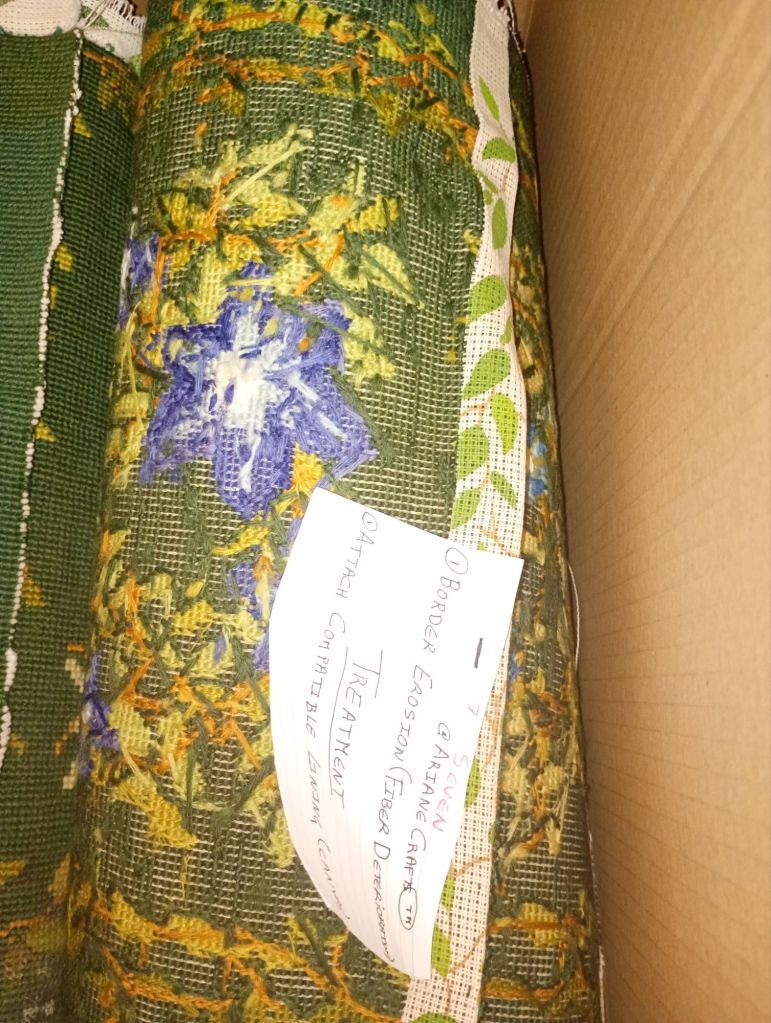
The dilemma of balancing between using the right colour to correct deteriorated contaminated yarn should never arise considering that no two colours fade producing the same shade, especially when taking in consideration hand dyed yarns in the traditional manner.However the plethora of Textile restoration case studies involving such considerations and balancing choices makes my journey very difficult.
I used an extensive Bibliography prior to passing from the stage of Choices of Treatment to Correction and Treatment, but one can never be too careful with choices that have a tremendous impact in the overall final presentation of the historical textiel object, so it can successfully transition from restoration to conservation and preservation with minimal future intervention.
I reduced my choices to a minimum by simply correcting with the original colour codes used for primary elaboration decades ago and correcting only for a motive of health of the tapestry, when it is strictly necessary.
Are these the only critical considerations I should be taking in account if i wish to add a monetary value to this object?
realistically speaking i would struggle to add commercial value to my clematis carpet. i assume so from general observation and because I have way older historical objects and textiles that equally would not sell for twenty pounds in a high end auction while other textiles of similar presentation sell for thousands.Perhaps is the fact that I do not represent a ‘respectable estate’ or any for that matter. who knows?
One tapestry that i find historically relevant and older than the woman’s journal tapestry currently under my remedial and interventive risk mitication treatment is this particular tapestry below. this exemplary british carpet is composed of 15 panel units, does not require colour needlework correction,and yet would just not sell.
no commercial value,yet is demanding of me a highly precise work: stretching individual panels to achieve a uniform structure.
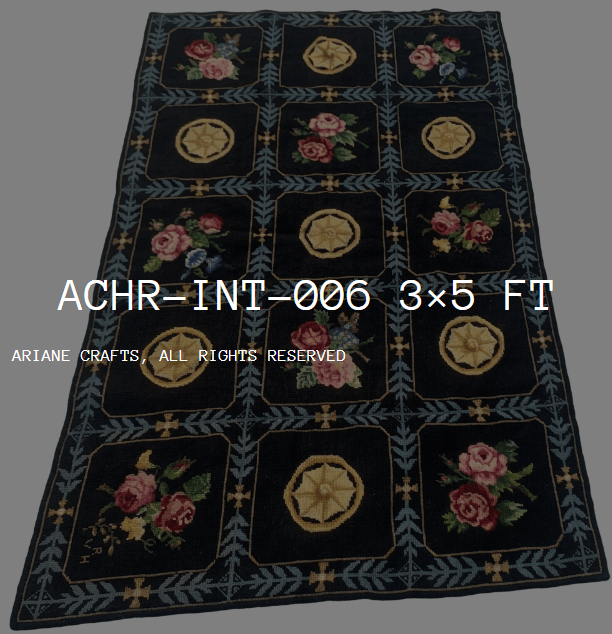
Tapestries assembled by joining individual tapestry panels can acquire an uneven structure due to humidity from walls, sun exposure, primitive cleaning methods, unorthodox assembly and joining methods.
In this case, the different impact of humidity and moisture can easily be corrected by simply stretching and adjusting the tapestry during and after cleaning by using wooden boards.
Is the cleaning intervention required? Not from a basic point of visible dirt,smell or stain, rather as a preventative measure because the black yarn background might be masking contamination. furthermore, adding moisture will place the tapestry at a level that can better react,and achieve a desired symmetry.
What about dry stretching , would that be an option? Yes if the yarn was not passible of hiding a substantial problem underneath the dark colour opacity.
This takes us back to the original point of colour pallets and British and Eastern traditions.
Colour pallet variations can truly add or withdraw power and vibrancy to different elements of tapestry composition both at the traditional and current freeform art levels, however, this also adds or withdraws commercial value to tapestry items that are assessed at the master execution level due to design, mastery and transformation of stitching tension and effects, and colour theory application in different cultural variations of colour palettes.
I find my handbag below a perfect example of such.
Thank you for reading.
Comment below.
Ariane Crafts