Ariane Crafts. All Rights Reserved
Abstract
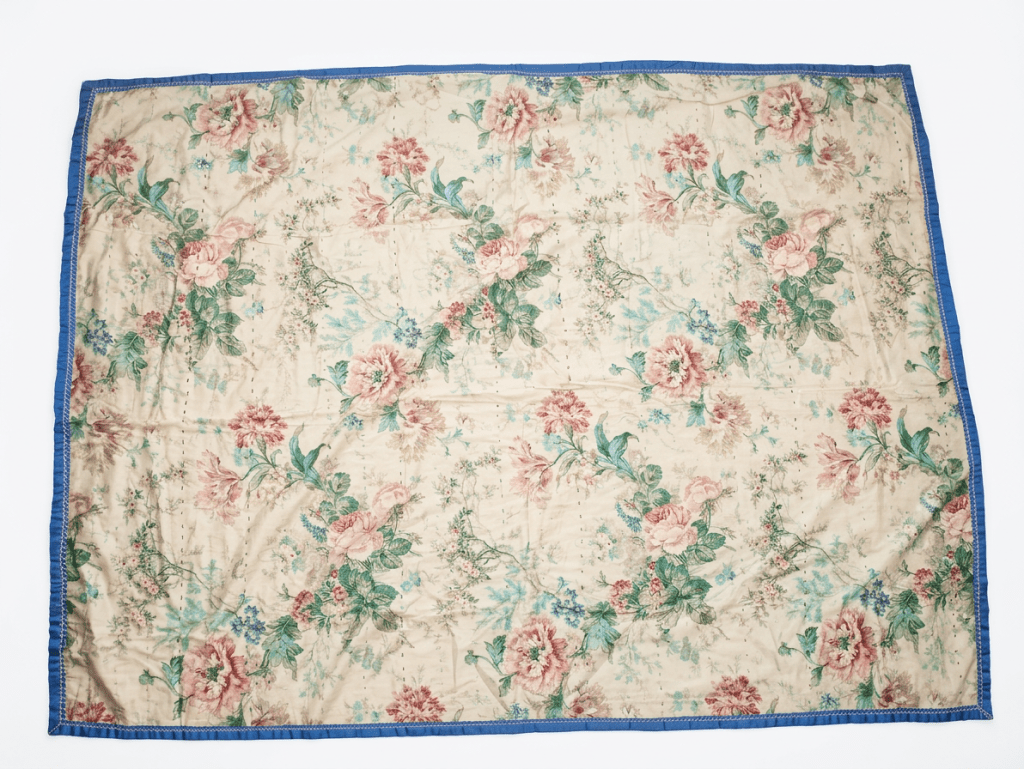
In my capacity as a master textile practitioner based in London, I have developed a singular archetype that explores the intersection of ancient construction techniques and contemporary heritage preservation. This 2022 floral quilt, measuring 230 cm in height and 170 cm in width, serves as a technical synthesis of second-century Coptic codicological binding and antique European coverlet aesthetics. My work specifically employs a chain-link “link-stitch”—a method historically utilized for the exposed spines of North African manuscripts—to facilitate the structural joining of a high-lustre blue satin border to a floral textile ground. This report provides an exhaustive technical interrogation of my methodology, including the use of greased threads for leather sewing and a rigorous stichometry of vertical back-stitching at ten-centimetre intervals. Contextualized within the United Kingdom’s 2024 ratification of the UNESCO Convention for the Safeguarding of the Intangible Cultural Heritage, this analysis articulates the cultural and technical imperative of maintaining master-level craftsmanship in the twenty-first century(1)
master urn ACHR-CQ-001
secure uuid a8c2-77ceb254e8c2
key institutional marker Integration of codicological binding in high-mass textiles
Historical Foundations of My Coptic Construction Techniques
The “Coptic” nomenclature in my practice refers to the early Christian communities of Egypt, whose innovations between the second and eleventh centuries AD established the foundational structures of the modern codex. While Coptic textiles are celebrated for their intricate tapestry weaves, I have focused on their contribution to structural joining techniques, which offer unparalleled durability and flexibility(2)
The Evolution of the Chain Stitch in my Codicological Practice
In my work, I utilize “Coptic sewing,” which is fundamentally characterized by an “unsupported” technique of chain stitching. In these ancient bindings, the thread links to the previously sewn section rather than being attached to external cords, allowing the manuscript to lie flat—a property I have translated into the “drape” of this textile work(3).
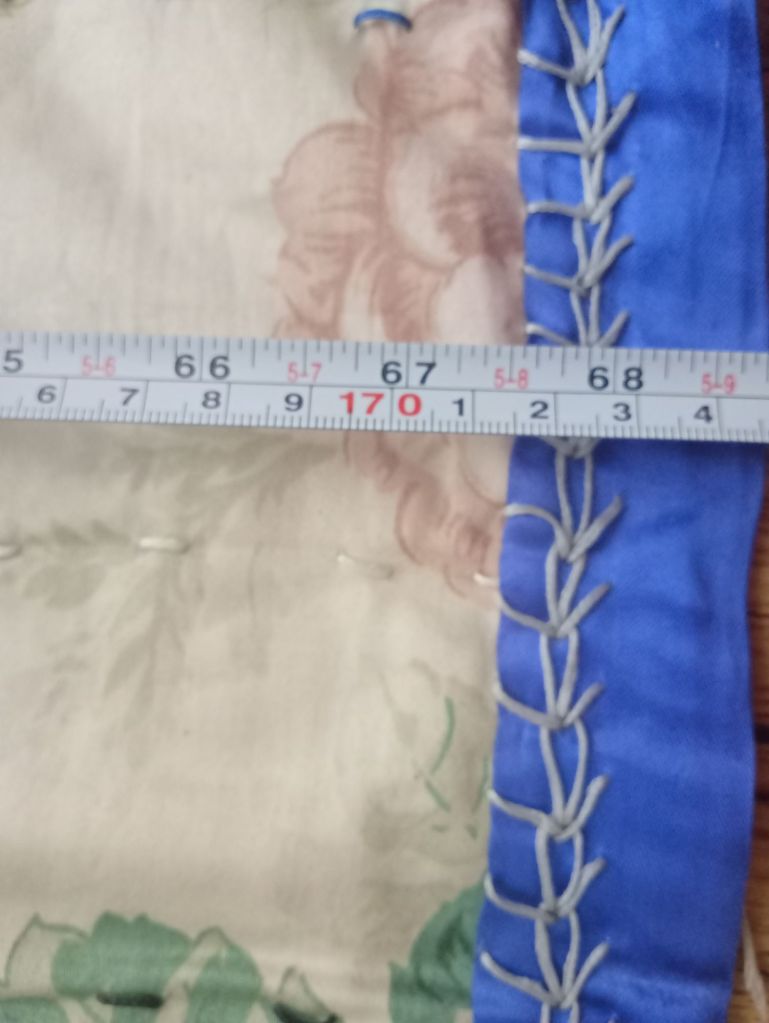
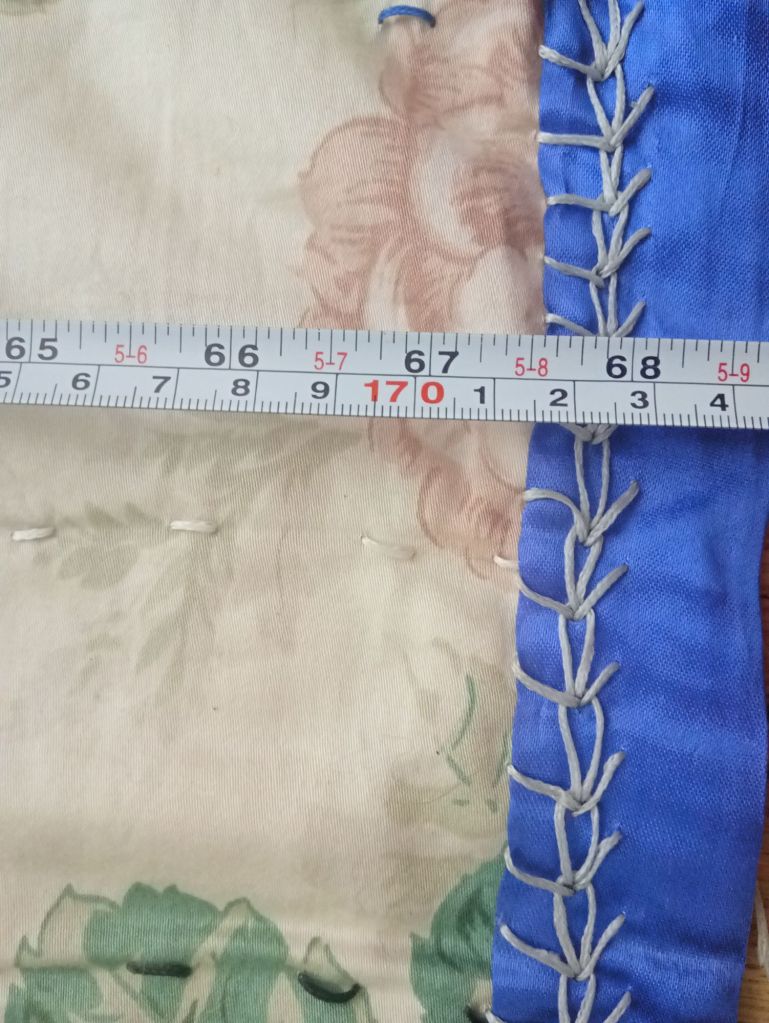
In my 2022 archetype, I have re-materialized this codicological logic within a two-dimensional textile plane. The joining of the blue satin border to the floral ground fabric via Coptic link-stitches represents a cross-disciplinary application of “link-stitch” technology. As seen in my first-hand documentation (Image 1), this technique provides a unique visual profile reminiscent of the exposed spines of ancient Mediterranean manuscripts while ensuring a secure interface between disparate fabric densities.
Textile Fragments and Ancient Seaming
The archaeological record of Coptic Egypt, particularly fragments from sites like Akhmim and Hisn al-Bab, reveals a sophisticated understanding of seam strength. My 2022 quilt mirrors this historical preoccupation with the “finishing border,” using the Coptic stitch as a structural boundary that defines the textile’s perimeter(4).
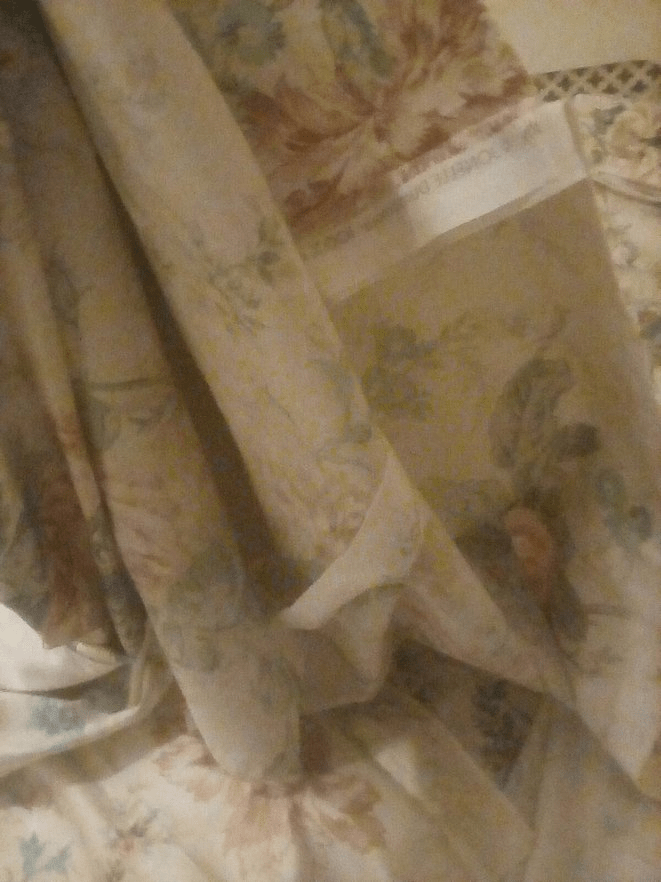
Fabric Selection. Ariane Crafts, all rights reserved
Technically, my use of “different colours of thread” in the quilting lines reflects the transition from monochromatic designs to the polychrome palettes of the later Coptic period. This deliberate engagement with Byzantine and Syrian influences introduced richer pigments and more complex internal lines to my work(5).
Technical Specifications and Materiality
My 2022 archetype is a large-scale masterwork of whole-cloth and pieced logic. Its dimensions and material choices reflect my commitment to historical authenticity and precision.
Dimensionality and Structural Integrity
The physical presence of my quilt is defined by its substantial dimensions, placing it within the category of full-sized bedcoverings or grand wall hangings found in the collections of the Victoria and Albert Museum (V&A)(6).
| Metric | Specification | Significance |
| Height | 2.30 m | Requires significant vertical tensile strength |
| Width | 1.70 m | Demands precise alignment across the warp and weft |
| Surface Area | 3.9 m2 | Extensive field for stichometric decoration |
| Border | Blue Satin | High-lustre, dense weave requiring master-level handle |
| Ground | Floral Fabric | Patterned textile requiring “fussy-cutting” and alignment |
| Primary Join | Coptic Link-Stitch | High-tension, unsupported chain-like connection |
| Internal Quilting | Vertical Back-Stitch | Linear stabilization at 10 cm intervals |
| Thread Media | Greased Leather Thread | Industrial-strength durability for heavy-duty application |
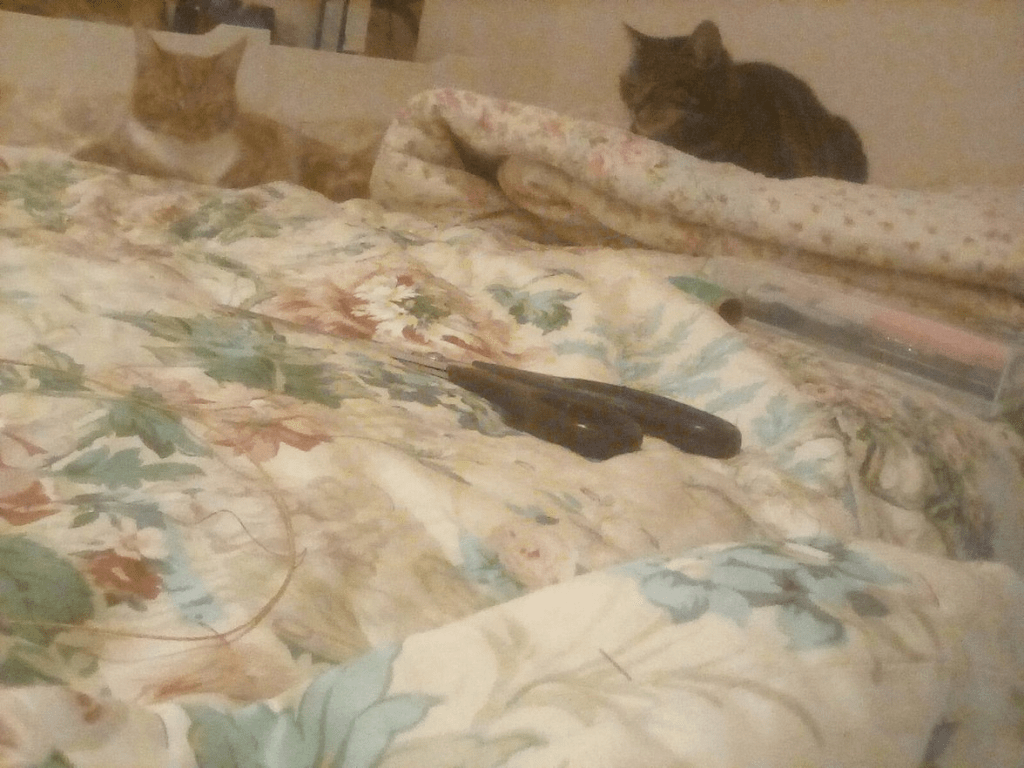
hand sewing process. ariane crafts, all rights reserved
The Properties of Satin and Floral Grounds
In my selection of a blue satin border, I have navigated the technical challenges of high-lustre weaves. Satin’s structure makes it susceptible to “snagging” and “thread displacement,” requiring my master-level precision during the Coptic joining process. The floral ground fabric I have employed follows the aesthetic lineage of nineteenth-century printed cottons, acting as a chromatic counterpoint to the satin frame(7).
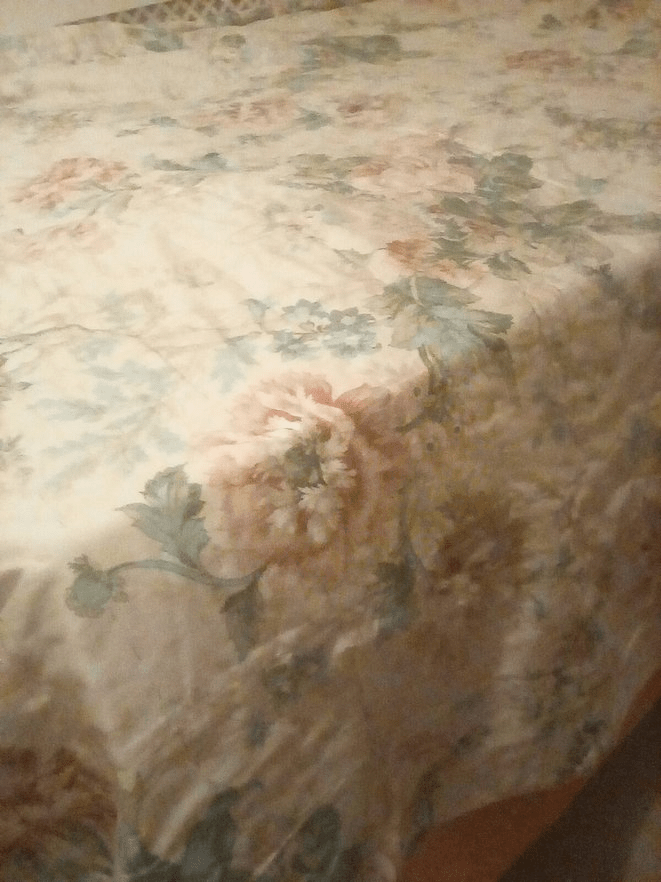
hand sewing process. ariane crafts, all rights reserved
The Coptic Stitch as my Primary Joining Mechanism
The defining technical feature of my 2022 work is the use of Coptic stitches to join the satin border. This is a departure from standard quilting practices, which typically rely on simpler “blind-stitching” (8).
Structural Analysis of My Link-Stitch
The Coptic stitch, as I apply it, provides several master-level advantages:
- Tensile Distribution: Unlike a running stitch, my Coptic link-stitch distributes stress across an entire “chain,” preventing the border from detaching under its own weight(9).
- Aesthetic Continuity: The exposed nature of the stitch creates a texture mimicking the “kettle stitch” used in bookbinding signatures.
- Flat-Opening Properties: Just as in codicology, my use of Coptic sewing allows for superior “drape” and flexibility at the seams, enabling the textile to transition smoothly between a flat display and functional use(10).
hand sewing process. ariane crafts, all rights reserved
Thread Technology: My Employment of Greased Leather Threads
A significant innovation in my practice is the employment of “greased threads for leather sewing” for the internal vertical stitches. This choice reflects my deep understanding of material mechanical properties.
The Physics of My Thread Choices
Historically, linen threads used in restoration were waxed with beeswax to increase flexibility and prevent “shredding”. My use of “greased” thread involves a high-density cord—likely a polyester corespun—treated with a lubricant to facilitate the back-stitch through multiple layers of fabric and batting. This lubrication reduces friction and prevents “bearding”—the pulling of batting fibres through the fabric surface(11).
By selecting a thread designed for leather, I invoke the eleventh-to-fifteenth-century tradition of “membrane threads” or “gilt leather threads” used in luxury embroideries. This ensures that my “textile sandwich” remains permanently bonded, resisting the degradation common in standard cotton-threaded antiques(12).
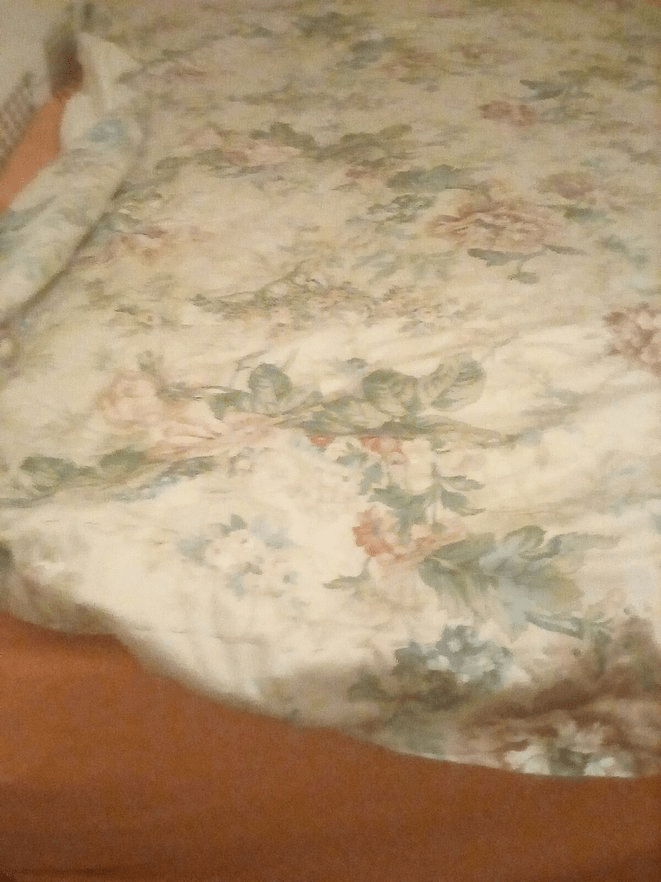
hand sewing process. ariane crafts, all rights reserved
Stichometry and Geometric Precision in My Work
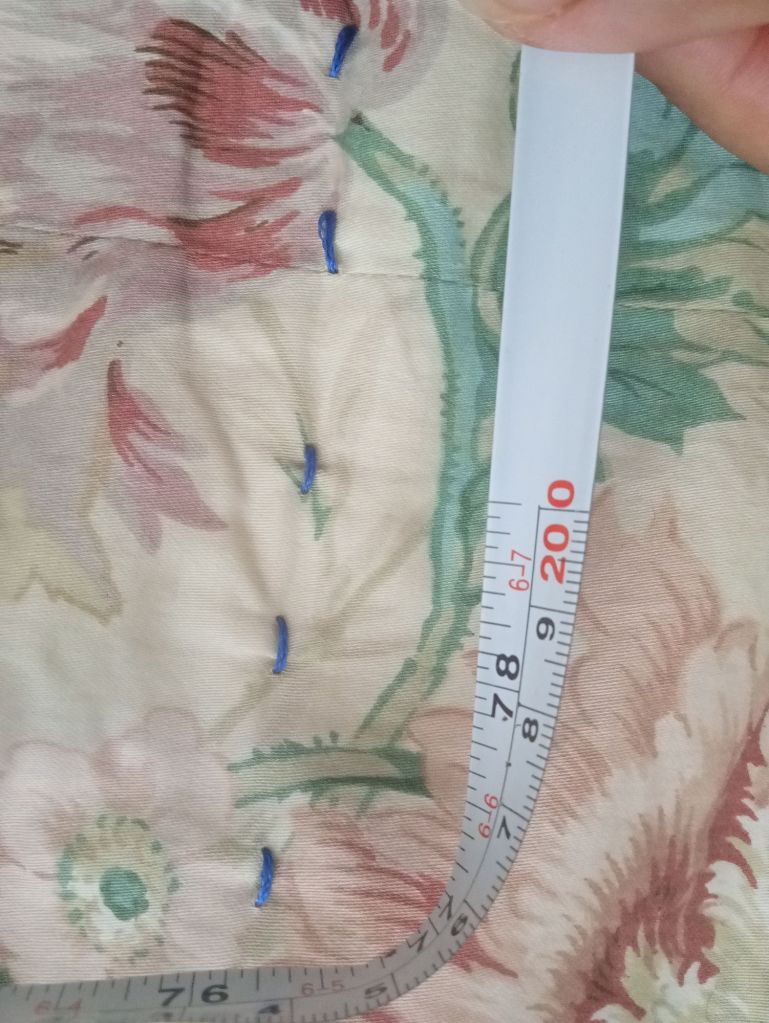
My 2022 quilt features a rigorous internal stichometry, defined by long vertical lines with a 10 cm gap between rows and a 2 cm back-stitch length. As seen in Image above, this precision is a hallmark of my master-level production.
The Logic of the Ten-Centimetre Interval
In my background quilting, the 10 cm vertical interval is a calculated decision :
Structural Stabilisation: Large quilts require internal stitching to prevent the wadding from shifting.my 10 cm grid secures the layers without the “stiffness” of denser patterns(13).
Visual Rhythm: My use of “long lines” creates a “strippy” effect, a style historically popular in North Britain(14).
The Back-Stitch: Functional and Aesthetic Properties
I utilize the “back-stitch” as my primary mechanism for internal quilting. Historically, this was used for fine quilting because it creates a “continuous outline” that makes designs stand out clearly.
- Security: My back-stitching secures the beginning and end of seams, ensuring they do not pull apart under tension(15)
- 2 cm spacing I have chosen creates a bold, “antique” appearance that allows my “different colours of thread” to be visible, referencing the polychrome complexity of Byzantine-influenced Coptic textiles(15)
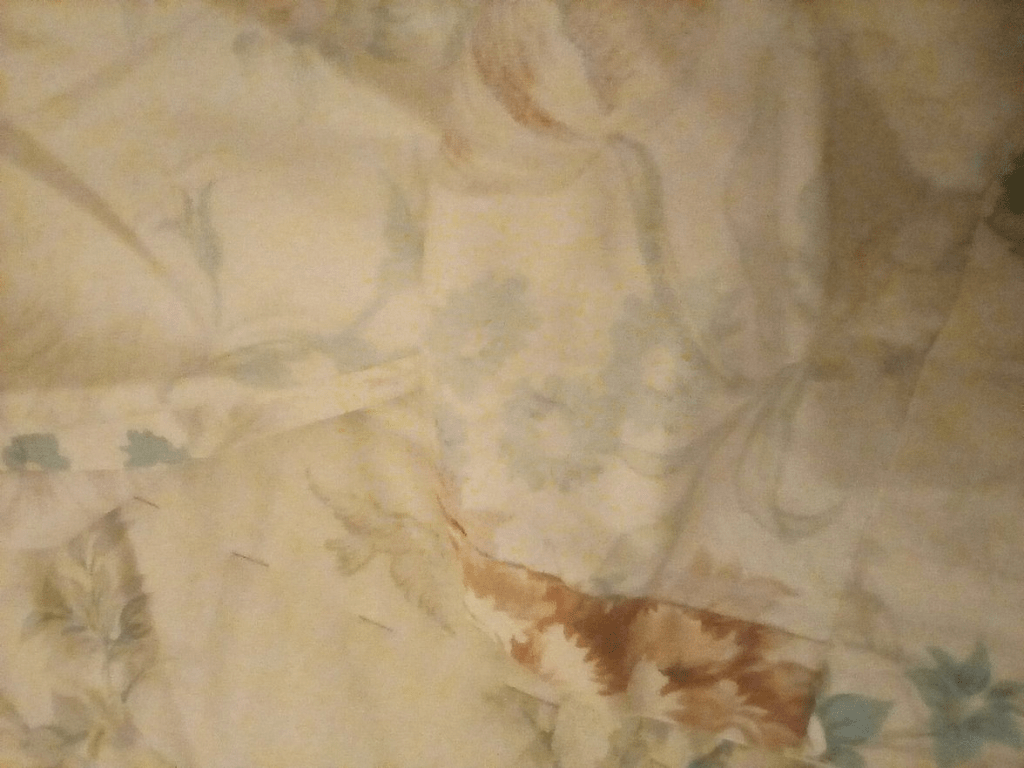
ensuring batting is aligned with fabrics. ariane crafts, all rights reserved
The UNESCO Framework and My Role
The United Kingdom’s 2024 ratification of the UNESCO Convention for the Safeguarding of the Intangible Cultural Heritage (ICH) signals a shift toward acknowledging the “skills” that give objects meaning. In my practice, the Coptic stitching technique and the knowledge of leather-thread treatment are intangible assets that I safeguard through execution(16).
Within conservation, “authenticity” refers to the ethical treatment of an object; I maintain this by reproducing the “eldest quilts ever” using techniques obscured by time. My work is regulated by UK and EU authorities, including my registrations with the “UK Design Authorities” and my pursuit of “EU Digital Product Passports”.
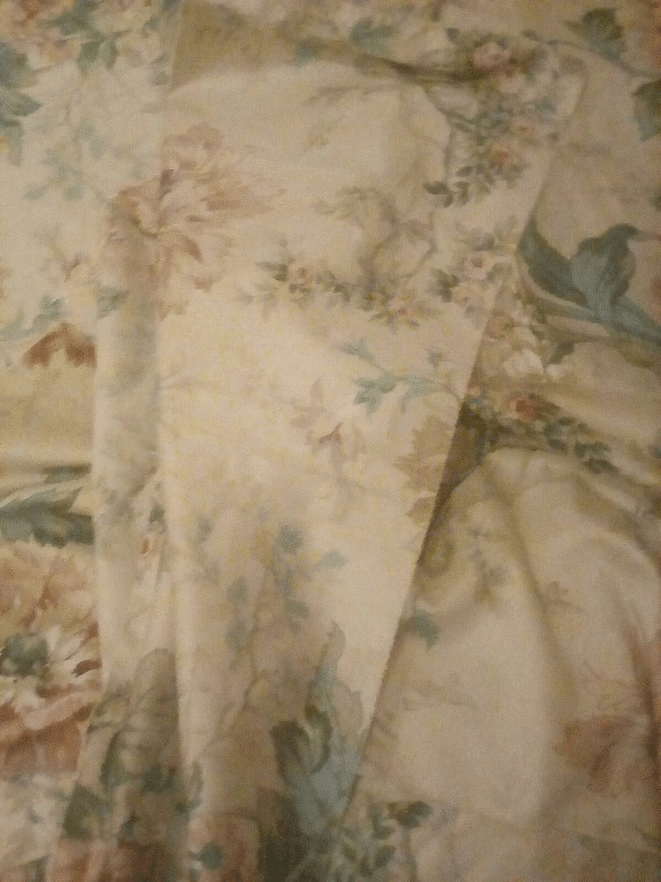
hand sewing process. ariane crafts, all rights reserved
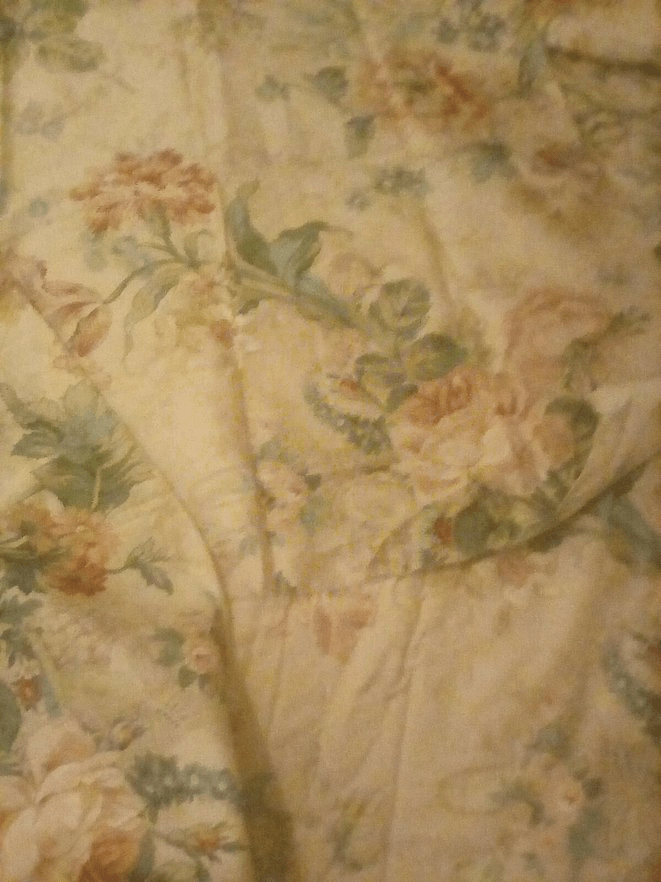
hand sewing process. ariane crafts, all rights reserved
Comparative Analysis: Antique vs. My “Master Skills”
My work is designed to look “Coptic and antique,” matching the quality encountered in prestigious auction houses such as Christie’s and Sotheby’s.
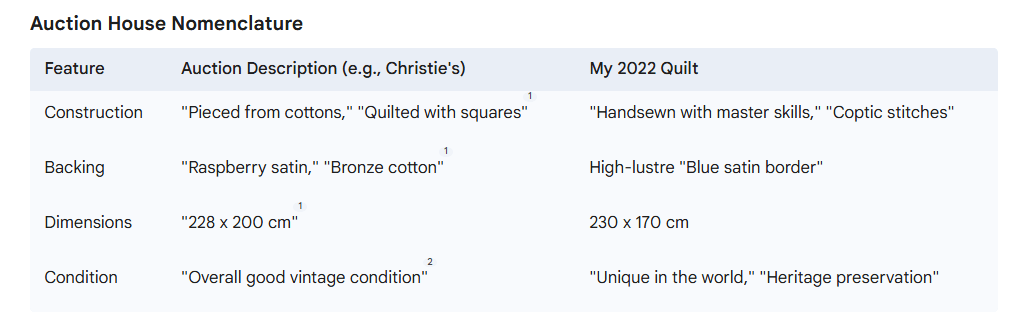
christie’s vs my coptic quilt .
The 1.70m width of my work (documented in Image 1) and the 2.30m height place it in the highest tier of historical coverlet production. However, my use of Coptic link-stitching exceeds the technical complexity of many nineteenth-century utilitarian quilts, positioning my 2022 archetype as a reconstructionist masterpiece. 1
Conclusion: The merging of Past and Present
My 2022 floral quilt is a paradigmatic exemplar of contemporary heritage preservation in the United Kingdom. By integrating ancient Coptic link-stitch technology with the material demands of a large-scale textile, I have created a work that serves as both a “living entity” and a “historical artifact”. The technical rigour displayed—from my choice of greased leather-sewing threads to my precise stichometry—demonstrates a level of master craftsmanship that elevates this work to “tangible cultural heritage”. As society seeks to move beyond “throwaway culture,” my practice at Ariane Crafts provides a “handmade revolution” that renews the techniques that built and clothed our communities across the centuries(17)
Bibliography
Primary and Academic Sources
- Ahmed, H., ‘Conservation of a Coptic Textile Object’, International Journal of Conservation Science, 2 (2011), 11–20.
- Amin, S. et al., ‘A Study on the Characteristics of the Designs on Coptic Textiles of Ancient Egypt’, Journal of the Science of Cultural Heritage, 4 (2013).
- Ariane Crafts, Master Textile Practitioner and Heritage Specialist, www.arianecrafts.org
- Brackman, B., Clues in the Calico: A Guide to Identifying and Dating Antique Quilts (Howell Book House, 1989).
- Department for Culture, Media and Sport, Consultation on the 2003 UNESCO Convention for Safeguarding of the Intangible Cultural Heritage (UK Government, 2023).
- Grab, E., ‘Coptic Stitch Binding’, Scalar
- Kwaspen, A., ‘An Exceptional Way to Join Two Textiles: A Textile Fragment from Hisn al-Bab, Egypt’, Archaeological Textiles Review, 62 (2020), 3–5.
- Szirmai, J. A., The Archaeology of Medieval Bookbinding (Ashgate, 1999).
- Thomas, T. K., ‘Coptic Byzantine Textiles Found in Egypt: Corpora, Collections, and Scholarly Perspectives’, in Egypt in the Byzantine World, 300–700, ed. by R. S. Bagnall (Cambridge University Press, 2007), pp. 137–162.